Have you ever thought about writing a book with someone else? The idea can be both thrilling and terrifying. On one hand, you could double your output, share the workload, and have a built-in brainstorming partner. On the other hand… what if you disagree on the plot? What if your styles clash? What if it ruins a perfectly good friendship?
It’s a common struggle. We authors often work in isolation, and while that has its perks, it can also lead to epic bouts of procrastination or getting stuck in a plot hole with no one to throw you a rope. As Olivia pointed out in her class on co-writing, having a partner can be the ultimate accountability boost. When you know someone is waiting on your chapter, you’re far more likely to “kick yourself, pick yourself up by your bootstraps, and get to work.”
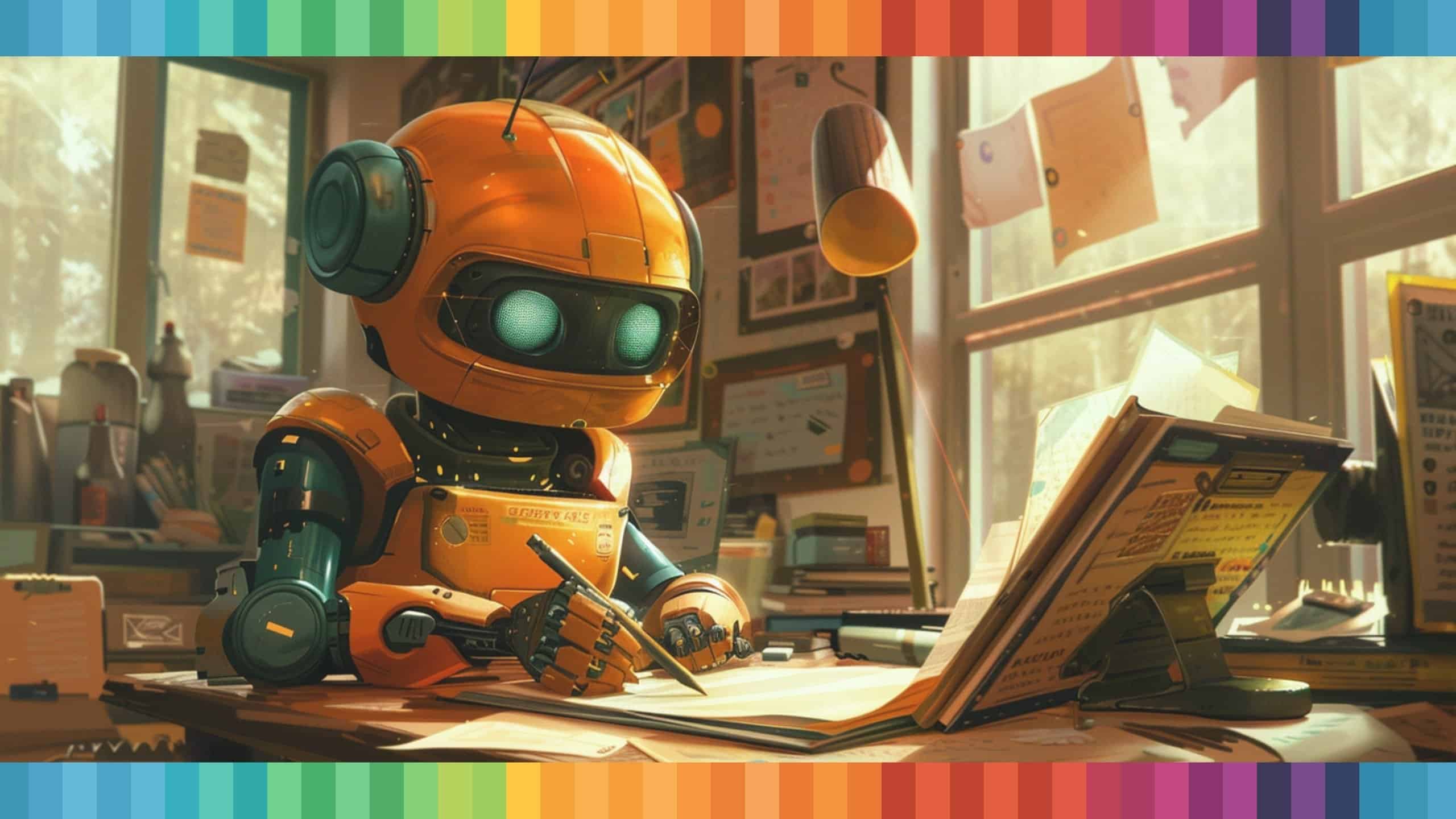
But what if you could have the best of both worlds? The collaboration, accountability, and creative spark of a human partner, plus the tireless, data-driven efficiency of an AI? In today’s author landscape, co-writing isn’t just a two-person game anymore. Your AI can become the third, and often most valuable, collaborator in the room.
Choose Your Co-Writing Adventure
The first thing to realize is that there isn’t just one way to co-write. It’s not always two people huddled over one keyboard. Think of it like a business partnership — you need to find the model that plays to everyone’s strengths.
Co-Writing the Same Book
This is the classic model, but with a few different flavors. You could take the “pass the baton” approach, which is fantastic for pantsers. You agree on a starting point, one person writes a chapter, and the other has to pick up where it left off. Olivia shared a great story about a co-author leaving her with a character in a car that had just tumbled off the road, saying, “Now you handle that.” It forces creativity and makes the process a fun surprise for both of you.
Alternatively, you can divide and conquer based on your skills. Maybe you’re a dialogue wizard, but your world-building is a bit shaky. Your partner might be the opposite. In this model, you can brainstorm the plot together, one person writes the first draft, and the other comes in to handle the edits and revisions.
Building a Brand Under a Shared Pen Name
Ever see an author who publishes a new book every single month and wonder how they do it? Sometimes, the secret is that it’s not one person. A hugely successful strategy is to have multiple authors writing different books or series under a single, shared pen name.
For example, imagine a cozy mystery brand known for its quaint villages. You could have four authors, each writing a series set in their own unique village under that one pen name. Instead of being pressured to produce a book a month, each author only has to write one every four months. Readers get the steady stream of content they crave, and the authors get a sustainable workload and the combined marketing power of a high-output brand.
Collaborating in a Shared Universe
In this model, everyone keeps their own author name and brand, but you all agree to write stories in a world you create together. This allows you to maintain your individual identity while benefiting from massive cross-promotional opportunities.
Olivia gave a perfect example of a group of authors who created a single village and set all their stories there during Christmas week. The hero of one book was the sibling of a heroine in another, and characters from all the books would make cameo appearances. This creates a rich, interconnected world that encourages readers who pick up one book to immediately go buy the others to see the full picture.
Your AI is the Perfect Third Partner
No matter which co-writing model you choose, an AI can step in to solve the biggest challenges of collaboration: consistency, creative disagreements, and balancing different voices.
The Tireless, Unbiased Brainstormer
We’ve all been there: you and your partner are stuck on a plot point. You throw out an idea, they hate it. They suggest something, and you think it’s terrible. After a while, feelings can get hurt. As Olivia puts it, your AI is like your best friend who never gets offended. You can ask it for five ideas, tell it they all suck, and it will just say, “Okay, you don’t like those. Let me think of something else.” You and your partner can “torture the poor thing” until it spits out a concept that you both genuinely love, acting as the perfect neutral tie-breaker.
The Unwavering Lore-Keeper
In a shared pen name or shared universe, consistency is king. If one author establishes that the main character despises cinnamon, the next author can’t have them happily munching on a cinnamon roll. An AI is the ultimate lore-keeper. You can create a joint style guide or world bible and train your AI on it. It can then scan every manuscript to ensure consistency in tone, character details, and world rules. It acts as an unbiased quality control agent, freeing you and your partners to focus on the creative work.
The Seamless Voice Blender
One of the hardest parts of co-writing is ensuring a cohesive voice, especially if your writing styles are very different. Your AI can act as a master editor. You can feed it samples from both authors, or samples of the established “brand voice,” and ask it to revise a draft to create a seamless blend. This smooths out the rough edges and ensures the final product feels like it was written by a single, cohesive entity rather than two distinct authors.
Set Yourselves Up for Success
Before you write a single word, a little planning can save you a world of heartache later. Think of your co-writing partnership like a marriage — you need to make sure you’re compatible and have a good “prenup” in place.
Take It for a Test Drive
You wouldn’t agree to marry someone after one coffee date, so don’t commit to a 12-book series right off the bat. Start with a small, standalone project. This low-stakes test run allows you to see how you work together, how you handle feedback, and if your workflows align before you commit to something bigger.
Get It In Writing (Seriously)
A contract isn’t about distrust; it’s about clarity. It’s your “prenup for your book babies,” as Olivia perfectly described it. Your contract should be a living document that answers the question, “What could possibly go wrong?” It should clearly define who does what, ownership of the world and characters, how finances are split, and — most importantly — what happens if one of you wants to leave, becomes incapacitated, or gets into a messy divorce. Having this sorted out from the start protects your work, your friendship, and your business.
Co-writing isn’t a one-size-fits-all endeavor. By finding the right model, the right partner, and leveraging the incredible power of an AI collaborator, you can unlock new levels of creativity, productivity, and success. It’s about combining the best of human connection with the best of technology to create something truly amazing.
This is the kind of forward-thinking strategy we live and breathe at the Future Fiction Academy. We don’t just teach you how to prompt an AI; we teach you how to build a resilient, profitable, and creatively fulfilling author career. If you want to learn more about co-writing, you’ll definitely want our standalone, Co-Writing for Success With and Without AI. If you’re ready to move beyond the basics and master the art of being a CEO of your author business, the FFA and our Accelerator program are waiting for you.